Field hockey likes to think of itself as an accessible sport.
It’s played by men and women. It’s fast, skilful, and doesn’t require players to have the physical size of rugby or the global infrastructure of football. On the surface, it feels inclusive.
But according to their respective governing bodies, field hockey has a substantially smaller participation base in the UK (approximately 200,000–250,000 regular players) compared with rugby (around 500,000 players and up to 2 million people engaged) and football, which dominates participation with several million regular players nationwide.
If hockey is so accessible… why aren’t more people playing it?
Not watching it. Not supporting it. Actually playing it.
Because when you look a little closer, the idea that hockey is “easy to get into” starts to fall apart.
You Can’t Play What You Can’t Access
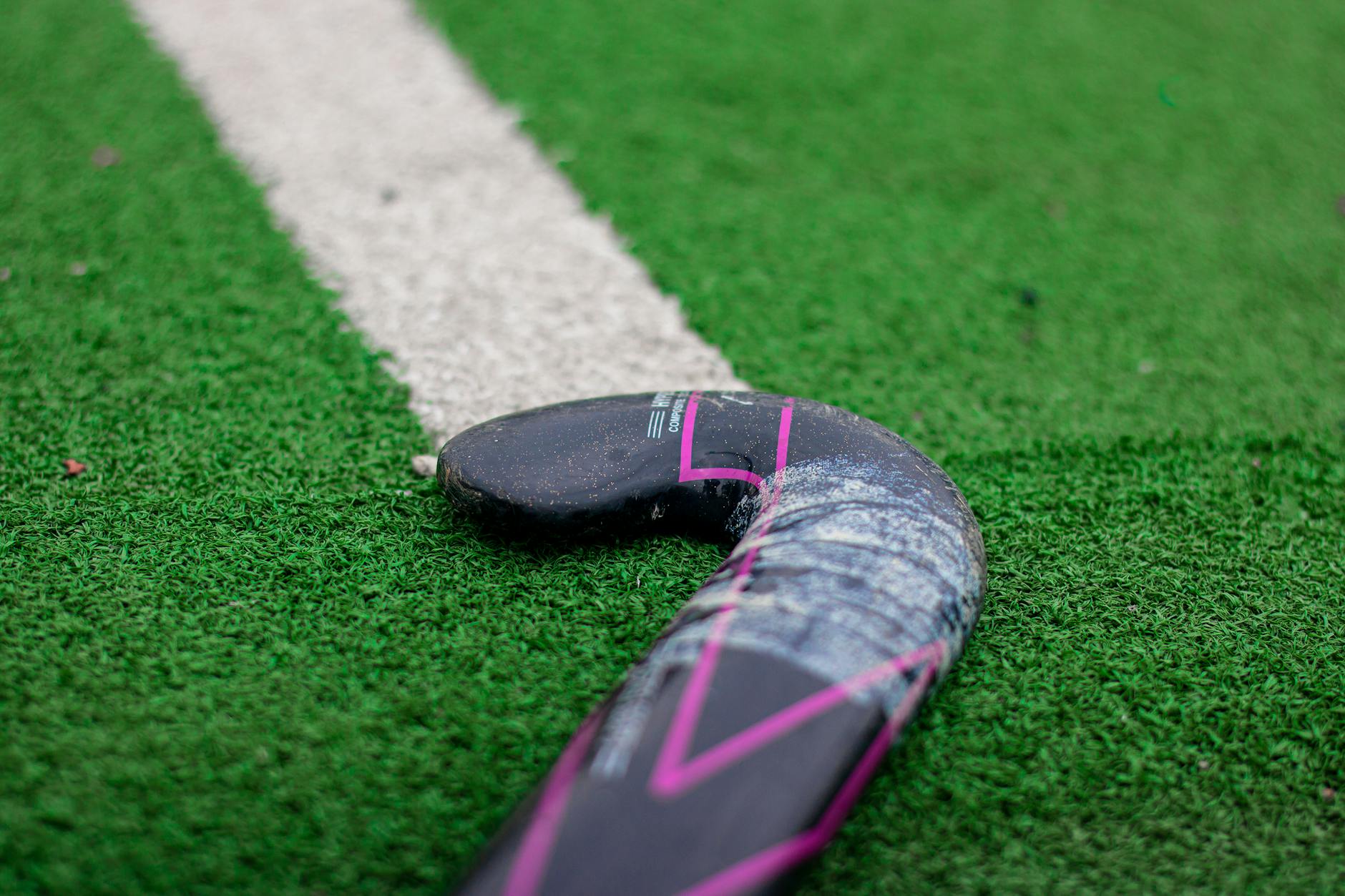
Let’s start with the obvious one: hockey isn’t played on grass anymore. It’s played
on astro-turf. And not just any astro-turf, but surfaces that are expensive to install,
maintain, and book. So here’s the reality:
If you don’t live near a pitch, you probably don’t play hockey. Simple as that.
Compare that to football. You can kick a ball in a park, a street, a playground,
anywhere. Hockey doesn’t have that luxury anymore.
So let’s ask the question more directly:
Has hockey accidentally engineered itself out of reach?
If School Doesn’t Give You Hockey, Where Do You Find It?
For most people, exposure to sport starts at school.
That’s where you try things, it’s where you discover what you enjoy.
But hockey’s presence in schools is… inconsistent.
In some schools, it’s a core sport. Structured, coached, competitive whilst in others,
it barely exists.
Around 3,000–3,500 schools in England deliver hockey in some form, a minority of the 20,000 state and independent schools in England, meaning hockey is far less universally available in schools than football or athletics.
So let’s ask something a bit blunt:
If you don’t go to the “right” school, do you ever really get a chance to play hockey?
Because unlike football, hockey doesn’t spill out into everyday life. You don’t see kids
playing it in the street. You don’t stumble across it in the same way.
If the introduction isn’t there early, there is a higher chance it never comes at all.
And that’s not a small problem that’s a pipeline issue.
Starting Is One Thing, Staying Is Another
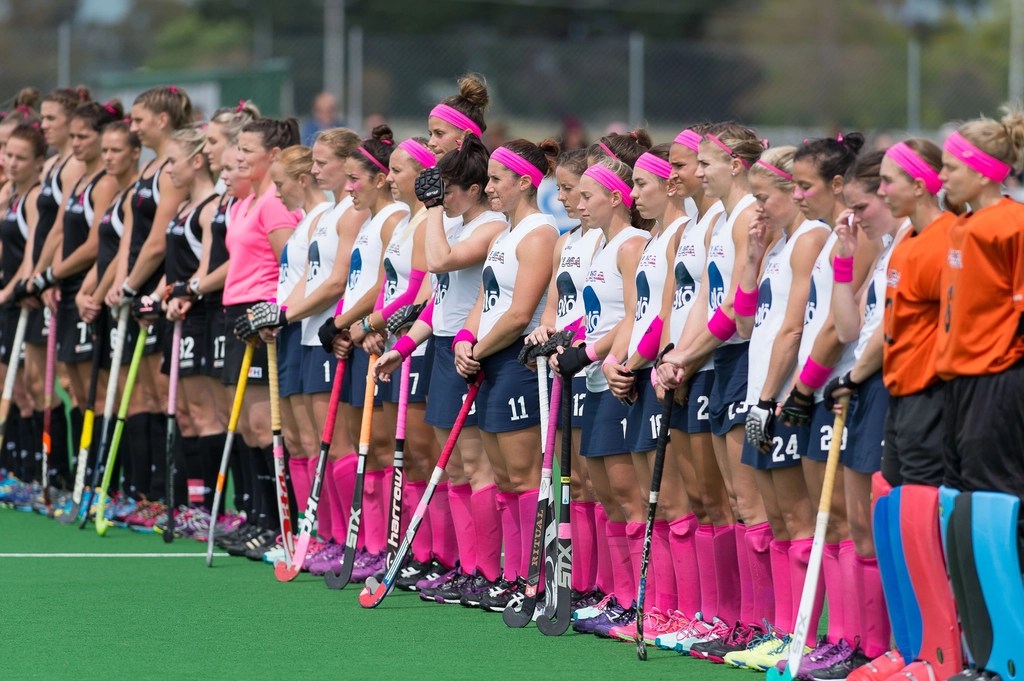
Even when people do get involved in playing hockey, many don’t stay. Sport
England research shows that for many players, hockey doesn’t end because they
stop loving it, it ends because, after school or university, the structure disappears
and the barriers suddenly get higher.
You see it all the time:
- Players drop off after school
- University transitions break continuity
- Adult life gets in the way
But maybe the bigger question is:
Does hockey make it easy for people to stay involved?
Are there enough casual formats? Flexible options? Social versions of the game?
Or does it still rely too heavily on traditional club structures that don’t fit modern lifestyles?
Retention matters just as much as recruitment.
And right now, it’s a weak point.
The Cost No One Really Talks About
We’ve improved the quality of the game at the top level, but at what cost to the bottom?
Hockey doesn’t look like an expensive sport. There’s no massive kit bag like ice hockey. No helmets (for most players), no pads, at least at first glance.
but it adds up:
- A decent hockey stick
- Specific Astro shoes
- Shin pads
- Club fees
- Weekly match fees
- Travel
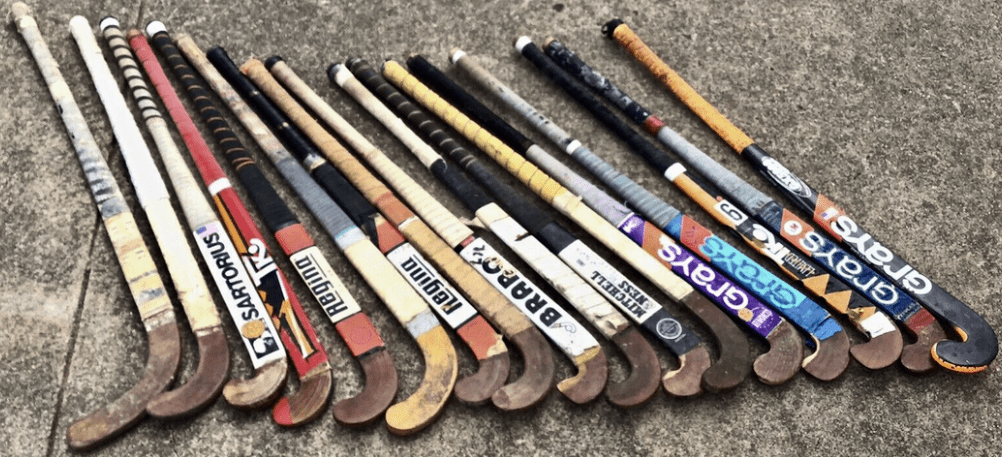
It stacks up quickly.
And if you’re a goalkeeper…. There’s a completely different level of expense.
So here’s a question that might make people uncomfortable:
Is hockey quietly becoming a financially middle-class sport?
If cost determines access, then access determines who plays and who doesn’t.
It’s not about blaming anyone it’s about being honest.
Grassroots Clubs Are Holding It All Together (Just About)
If hockey is surviving at a local level, it’s because of clubs, not funding.
Volunteers. Coaches. Umpires. People giving up evenings and weekends to keep things running.
But behind the scenes, it’s not always stable.
Clubs are dealing with:
- Rising costs
- Limited pitch availability
- Difficulty recruiting volunteers
- Challenges keeping young players engaged
So let’s ask something that doesn’t get said enough:
Are grassroots hockey clubs being asked to do too much, with too little?
If clubs struggle, the entire entry point into the sport weakens.
And without that foundation, growth becomes very difficult.
Raised in Parliament but ignored in practice
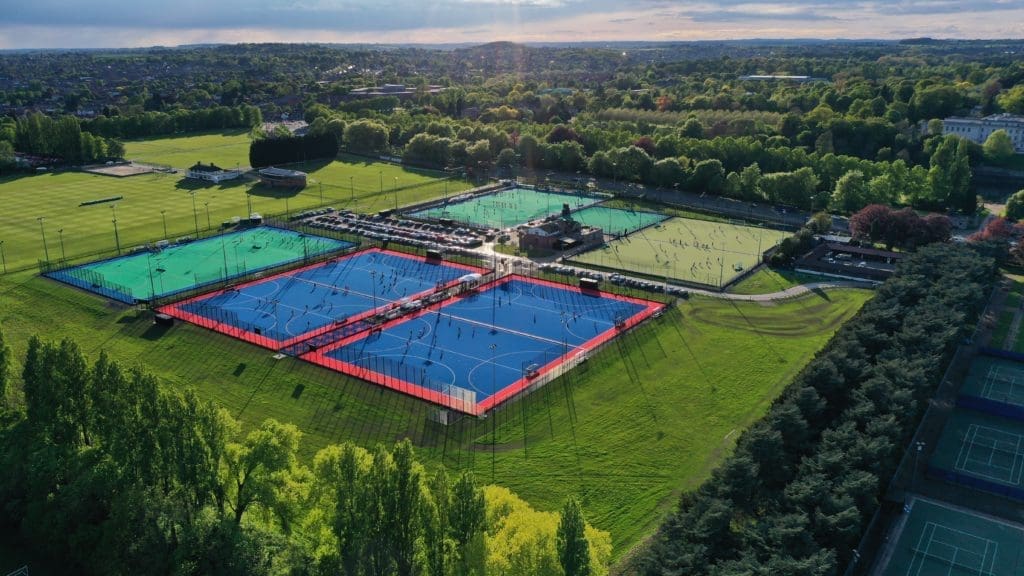
Across the country, hockey pitches are being replaced with 3G football surfaces.
They’re labelled “multi-sport” , driving potential sharing of the cost of installation, but in reality, they favour one game (football) far more than others.
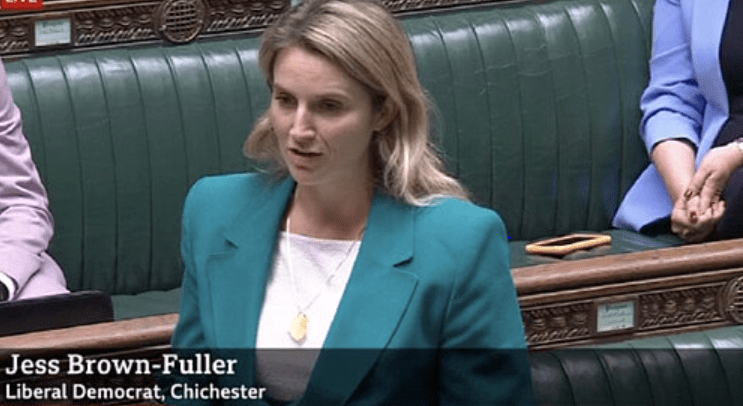
When MP Jess Brown-Fuller raised concerns in the UK Parliament about the risk in her constituency that Chichester Hockey Club was in danger of losing its pitch to be resurfaced for more profitable, general sport use, it should have carried weight.`
A thriving club, with 650+ players.
She highlighted that this plight is symptomatic across the country, pitches being replaced with surfaces that hockey can’t use. That’s not niche, that’s systemic.
And the response from Rt Hon Alan Campbell?
“We’ll pass it on”. No plan! No urgency! No action!
So ask yourself: If 650 players in one club aren’t enough to protect a pitch, what is?
This isn’t one club’s problem.
Football gains space, hockey loses it.
Gradually. Quietly. Repeatedly.
And in areas without an MP raising the issue, is the issue even heard?
What happens to hockey in places no one is speaking up for?
Because this isn’t just investment, it starts to look like something else.
Is this how sports quietly decline, not through failure, but through replacement?
If Not Now, Then When?
This issue has reached Parliament, and still, nothing concrete has followed.
No protection for hockey infrastructure.
No shift in funding priorities or firm place in the school curriculum.
No sense of urgency.
So where does that leave the sport?
Waiting. Adapting. Losing ground.
And it leads to a final question hockey can’t avoid:
Are we watching the game be squeezed out, and are we willing to challenge the system that’s doing it?
Because without pitches, there is no grassroots. And without grassroots, there is no future.
The Sport No One Sees
Here’s another uncomfortable observation:
Hockey struggles to be seen.
Outside of the Olympics or major international tournaments, it barely touches
mainstream media. There are incredible players, brilliant matches, strong domestic leagues. But how often do they break into wider sporting conversation.
So what happens if you’re new to sport?
You gravitate towards what you see.
So why would someone choose hockey if they barely know it exists?
This isn’t about the quality of the sport itself, it’s about visibility. Because no matter how good something is, if it’s invisible, it doesn’t grow.
Who Feels Like Hockey Is “For Them”?
Every sport has an identity, whether it likes it or not. And hockey? Fairly or unfairly, it
sometimes carries a perception:
- A school sport
- A certain demographic
- A certain “type” of player
Whilst perception isn’t always reality, but it still matters, because people don’t just choose sports based on access. They choose them based on where they feel they belong.
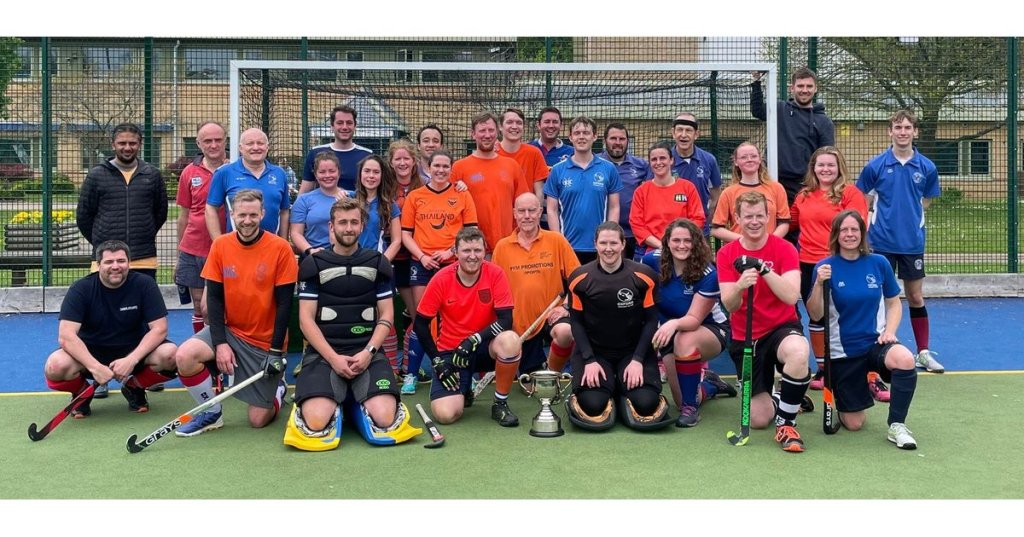
So does hockey have an image problem?
And if it does…. who’s responsible for changing that?
So… What Are We Actually Going to Do About It?
None of this is a criticism of the sport itself.
Hockey is brilliant. Fast, technical, genuinely exciting to play and watch.
But loving the game shouldn’t mean ignoring its problems.
Because these barriers highlighted here, surrounding access, cost, visibility,
perception…. Do not exist in isolation. They reinforce each other, ultimately
restricting participation and progression.
And if they’re not addressed, they quietly limit the sport’s growth.
So maybe the most important question is this:
Are we willing to challenge hockey’s own structure to make it more accessible, or are we comfortable with it staying as it is?
Final Thoughts
Access to sport should never be accidental.
It shouldn’t depend on where you go to school, what you can afford, or whether there’s a suitable pitch within reach. But in hockey, too often, it does.
And when infrastructure decisions, funding priorities, and visibility gaps all point in the same direction, the outcome isn’t neutral.
It’s exclusion.
Not deliberate. Not always visible. But real.
So the question isn’t whether hockey is a good sport, it clearly is.
The question is whether it’s being made available fairly.
And right now, as a result of the factors highlighted here, the answer to this question is far less certain than the game would like to admit.


Leave a Reply